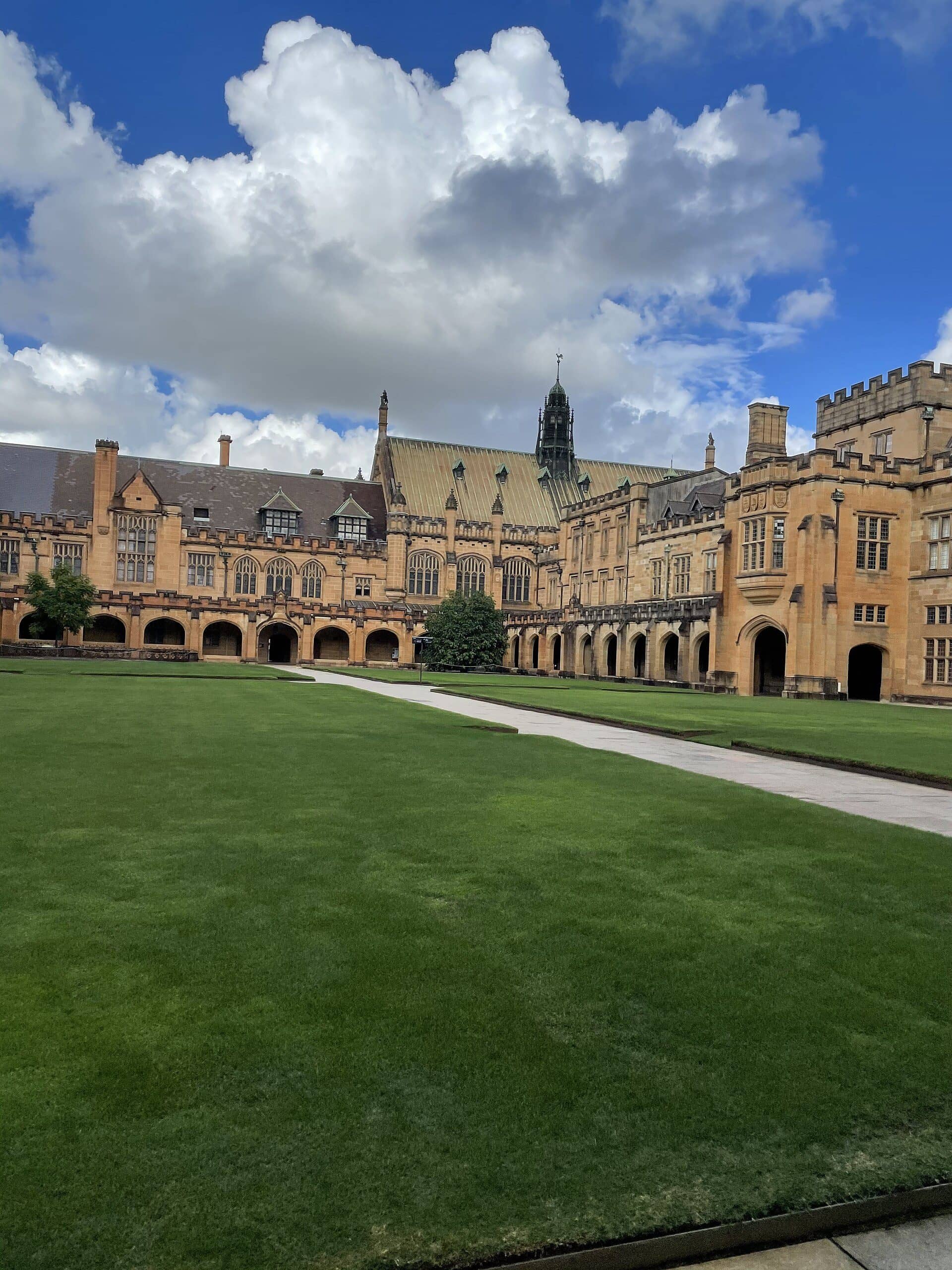
Boarding school in Australia means a child lives in a supervised house during term and attends classes on campus, usually from Year 7 or Year 9. Families choose it for distance, opportunity or circumstance. Start by deciding whether boarding suits your child, then shortlist by travel, gender and entry year, apply early, plan the costs and assistance, and prepare your child for the first weeks.
How to use this guide
Work through the six stages in order. Each stage links to a deeper guide. Nothing here is a ranking or a fee quote — confirm every school-specific fact with admissions.
Stage 1: Decide whether boarding is right for your family
Boarding is a big decision for any family, and it is a different decision depending on why it is on the table. For many rural and remote families there is no realistic daily alternative. For others, boarding is about a particular programme, a family circumstance or a child who genuinely wants the independence.
Before you look at a single school, talk honestly with your child about what they hope boarding will give them, and what worries them. Then weigh the trade-offs:
- Boarding school pros and cons: an honest guide — independence, opportunity, cost, time apart and wellbeing, side by side.
- Weekly vs full boarding — if your family is close enough, weekly boarding changes the equation.
- Boarding from regional and remote Australia — the realities for bush families.
- International boarding in Australia — for families overseas.
Stage 2: Build a shortlist
Shortlist by the things that shape daily life, not by reputation alone. We suggest this order: travel you will actually do, then gender pathway, then entry year, then house culture, and only then the fee schedule.
- How to choose a boarding school in Australia — a step-by-step sequence.
- Girls vs boys vs co-ed boarding — and the girls’, boys’ and co-educational hubs.
- Year 7 vs Year 9 boarding entry — the trade-offs of each entry point.
- State and territory hubs: NSW, Victoria, Queensland, Western Australia, South Australia, Tasmania and the ACT.
- The full school list — every published profile in one place.
When you visit, take a list of questions. A brochure shows the best of a school; a Saturday evening in the boarding house shows its everyday culture.
Stage 3: Apply
There is no national application system for boarding schools in Australia. Each school sets its own registration process, deadlines, interviews and testing — and popular entry years can have waitlists. Starting early gives you options.
- The boarding school application process, step by step — registration, waitlists, interviews, offers and extra steps for international students.
- International students — CRICOS, visas and welfare arrangements for under-18s.
Stage 4: Understand the costs and the help available
Boarding costs are made up of tuition, boarding fees, levies and extras. They vary widely and change every year, so we do not publish prices. What we do publish is a way to read a fee schedule and compare like with like.
- How boarding fees work and tuition vs boarding fees
- What boarding school fees actually pay for
- Boarding scholarships explained and our scholarships page
- Assistance for Isolated Children (AIC): a plain-English guide — the Australian Government scheme for families whose children cannot reasonably attend school daily.
- International fee packages
Stage 5: Prepare your child
The year before boarding is when the real preparation happens: conversations, everyday independence, orientation, and a shared plan for staying in touch.
- How to prepare your child for boarding school — a term-by-term plan.
- What to pack for boarding school in Australia — a checklist that works around the school’s own list.
- 10 things your child should do before starting school
Stage 6: The first term and beyond
Most new boarders have a wobbly patch. Knowing what is normal — and what is not — helps parents respond calmly and partner well with house staff.
- Boarding school homesickness: what’s normal and what helps
- Boarding school FAQ — quick answers to the questions parents ask most.
About this guide
Boarding Schools Australia is an independent research directory. We do not enrol students, hold places, accept payment for placement or rank schools. Our guides are written to be evergreen: they explain how boarding works and what to ask, and they point to primary sources — schools themselves, Services Australia, CRICOS and the Australian Boarding Schools Association — for anything that changes. Read our editorial policy and about page for more on how we work.